
SEO backlinks are links from one website to another. When a reputable site links to yours, it acts as a vote of confidence. Google reads these votes as trust signals, and the more quality votes your site has, the higher it tends to rank in search results. Most businesses focus entirely on their own website. The ones winning in search are also focused on what other websites say about them.
If you already understand the basics of SEO, you know rankings do not happen by accident. Backlinks are one of the most powerful levers behind those rankings. And yet, they remain one of the most neglected parts of any SEO strategy in Singapore.
Key Takeaways
- Backlinks are links from other websites pointing to yours. Each one acts as a vote of confidence that Google uses to assess your site's authority and trustworthiness
- Quality matters far more than quantity: one link from a high-authority, relevant site outweighs hundreds of low-quality ones
- The most effective link-building tactics include guest posting on reputable sites, digital PR and media outreach, and targeting resource pages with link-worthy content
- Avoid buying links or participating in link schemes. These violate Google's guidelines and can result in manual penalties that damage your rankings
- Singapore businesses should target local directories, Google Business Profile, and high-trust .gov.sg and .edu.sg domains to build locally relevant backlink signals
What Are SEO Backlinks, Exactly?
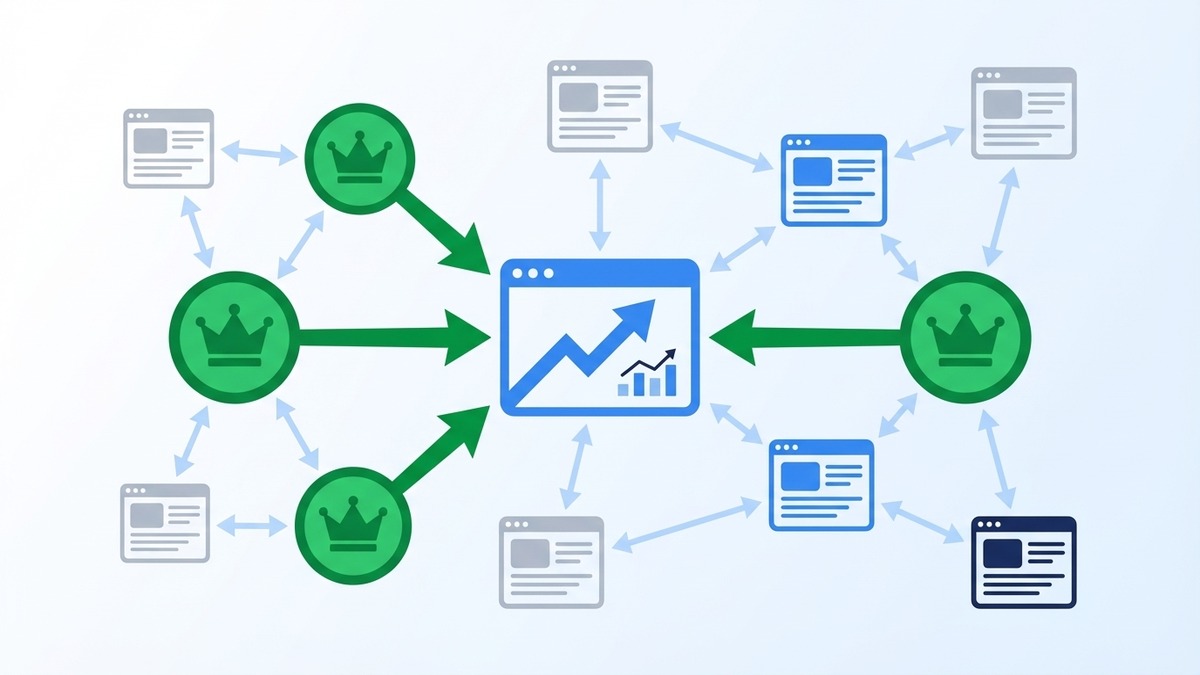
A backlink (also called an inbound link or incoming link) is a hyperlink on an external website that points to a page on your site. Think of it this way: if a popular food blog links to your restaurant's menu page, that is a backlink.
Not all backlinks are equal. Google evaluates them based on:
- Authority of the linking site: a link from a major news outlet carries far more weight than one from a brand-new blog
- Relevance: a link from a marketing site to another marketing site is more meaningful than a random link from an unrelated niche
- Anchor text: the clickable text used in the link gives Google context about your page's topic
- Link placement: a link buried in a footer is worth less than one embedded naturally in the body of an article
- Dofollow vs. nofollow: dofollow links pass ranking power; nofollow links signal to Google not to count the link as an endorsement
Understanding these factors is the foundation of any smart backlink strategy.
Why Backlinks Still Matter in 2026
Google has run thousands of algorithm updates over the years. Backlinks have survived every single one as a core ranking signal. According to Ahrefs research, pages with more backlinks consistently outrank pages with fewer, across almost every industry and keyword category.
In Singapore's competitive digital market, this matters even more. Local businesses are fighting for the same keywords. A well-built backlink profile is often the tiebreaker between you and a competitor with similar on-page SEO.
Understanding why your competitors invest in SEO gives you the big picture. Backlinks are a major part of that picture.
What Are SEO Strategies for Building Backlinks?
SEO backlink strategies fall into a few proven categories. Here is what actually works in 2026:
1. Create Link-Worthy Content
The most sustainable backlink strategy is publishing content that people genuinely want to reference. This includes:
- Original research and data (surveys, case studies, industry statistics)
- Comprehensive guides that cover a topic better than anything else out there
- Free tools, calculators, or templates
- Unique perspectives on trending topics in your industry
If your content is the best answer to a question, other sites will naturally link to it over time.
2. Digital PR and Media Outreach
Getting featured in online publications, industry blogs, and news sites is one of the fastest ways to build high-authority backlinks. In Singapore, this means targeting local media like The Business Times, Tech in Asia, and industry association websites.
A well-placed article or expert quote can generate multiple backlinks from a single outreach campaign.
3. Guest Posting (Done Right)
Writing articles for reputable sites in your niche is still an effective strategy. The key word is "reputable." Low-quality guest post farms do more harm than good. Target sites with real traffic and genuine editorial standards.
4. Broken Link Building
Find broken links on high-authority sites, then offer your own content as a replacement. It is a win for the site owner (fixing a broken user experience) and a win for you (a quality backlink).
5. Competitor Backlink Analysis
Use tools like Ahrefs or SEMrush to see who is linking to your competitors. Many of those sites will be open to linking to you as well, especially if your content is stronger or more up to date.
6. Local Citations and Directories
For Singapore businesses, getting listed on local directories (Google Business Profile, Singapore Yellow Pages, industry-specific directories) builds both local SEO authority and backlink signals. This is particularly important for businesses focused on local SEO.
SEO Best Practices for Backlinks
Knowing what to do is half the battle. Knowing what NOT to do is equally important.
Best practices to follow:
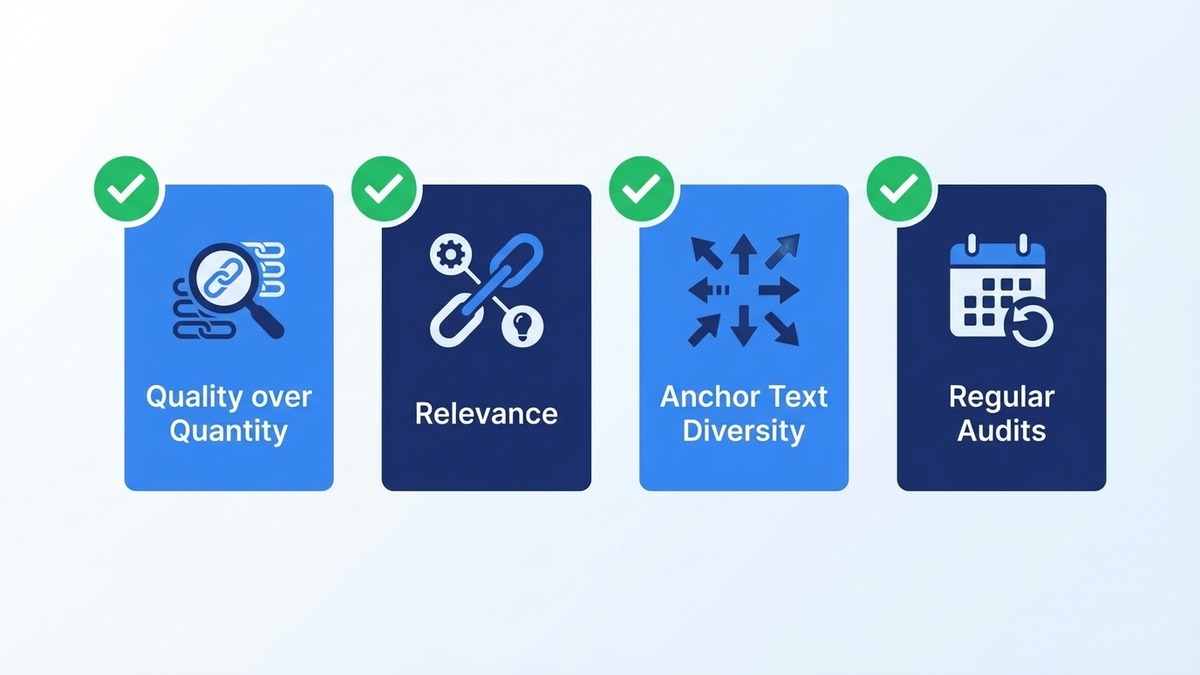
- Prioritise quality over quantity. Ten links from authoritative, relevant sites outperform 100 links from random low-quality sites
- Diversify your anchor text. Using the same keyword phrase repeatedly as anchor text can trigger spam filters
- Build links to multiple pages, not just your homepage
- Monitor your backlink profile regularly and disavow toxic links
- Be patient. Legitimate link building takes time. Expect 3 to 6 months before seeing meaningful ranking changes
Practices to avoid:
- Buying backlinks (violates Google's guidelines and can result in manual penalties)
- Participating in link schemes or link farms
- Over-optimising anchor text with exact-match keywords
- Getting links from irrelevant or low-quality websites purely for volume
For a full breakdown of how all these signals work together, read our guide on how SEO actually works.
How Backlinks Fit Into Your Broader SEO Strategy
Backlinks do not work in isolation. They amplify everything else you are doing in SEO. Strong on-page optimisation, technical SEO, quality content, and a healthy backlink profile all work together.
Here is how backlinks complement other channels:
- SEO copywriting: Great copy earns links naturally because it is worth citing
- E-commerce SEO: Product and category pages with backlinks rank for higher-volume commercial terms
- PPC: Organic backlink authority reduces your dependency on paid traffic over time
- Social media marketing: Shareable content on social platforms increases the chance it gets picked up and linked to
For businesses looking at the full picture, understanding Google's own guidance on links is worth your time.
You can also browse our SEO glossary for plain-English definitions of backlinks and other SEO terms.
Singapore Context: Why Local Backlinks Matter
If your business operates in Singapore, local relevance adds an extra layer to your backlink strategy. Links from Singapore-based websites, government domains (.gov.sg), educational institutions (.edu.sg), and respected local media outlets carry strong geographic signals.
These links tell Google your business is embedded in the local ecosystem. That matters for localised search queries like "best accounting software Singapore" or "digital marketing agency Singapore."
SEOExpert regularly works with Singapore businesses to build locally relevant backlink profiles that accelerate rankings in competitive local verticals.
Ready to Build a Backlink Profile That Actually Moves Rankings?
Backlinks are not optional. They are one of the clearest competitive advantages in SEO, and most businesses in Singapore are either ignoring them or doing them wrong.
Whether you need a full audit of your current backlink profile, a content strategy that naturally attracts links, or a targeted outreach campaign, our SEO services in Singapore cover the full spectrum.
Get in touch with our team to talk through your current SEO situation. No fluff. Just a clear plan for what will actually move your rankings.