
SEO (Search Engine Optimisation) is important because it puts your business in front of people who are actively searching for what you offer. It drives organic traffic to your website, builds trust with potential customers, and delivers a compounding return on investment that paid ads simply cannot match. In 2026, with more businesses competing online than ever, the question is not whether you can afford to invest in SEO. It is whether you can afford not to.
If you are still not sure what SEO is or how it fits into your overall marketing strategy, this article breaks it all down. By the end, you will understand exactly why your competitors are pouring budget into search, and why you should be doing the same.
Key Takeaways
- SEO drives long-term ROI that compounds over time, unlike paid ads which stop the moment your budget runs out
- Organic search is the highest-converting traffic channel, connecting you with people already actively looking for what you offer
- Singapore has over 97% Google market share, making SEO essential for any business targeting local customers
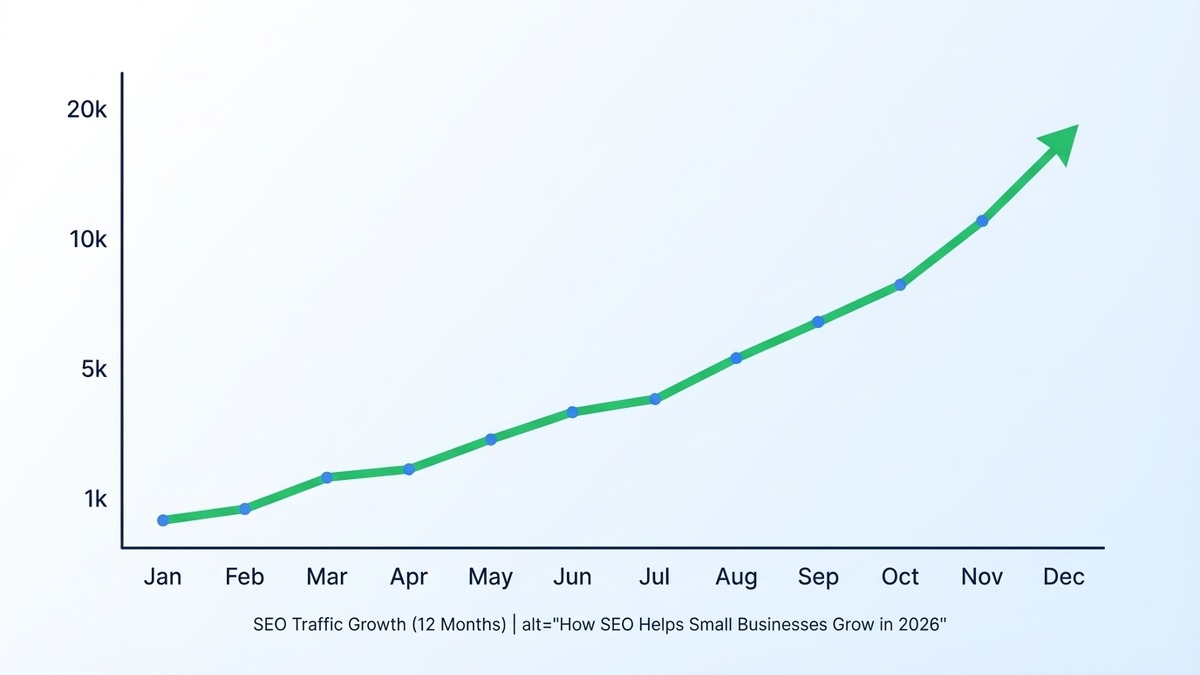
- SEO compounds over time. A well-optimised page keeps driving traffic for months or years after it is published
- Small businesses benefit most from local SEO, which levels the playing field against larger competitors in neighbourhood and niche searches
- GEO (Generative Engine Optimisation) is the next evolution of search visibility, helping your brand appear in AI-generated answers. It builds directly on strong SEO foundations
Why SEO Matters in 2026
Over 8.5 billion searches are made on Google every single day. That number has only grown as consumers increasingly rely on search engines to find products, compare services, and make purchase decisions.
Here is why that matters for your business:
- 93% of online experiences begin with a search engine. If your website does not appear in those results, you are invisible to a massive pool of potential customers.
- The top 3 organic results capture over 50% of all clicks. Being on page two is effectively being nowhere.
- SEO builds compounding value. A blog post or optimised page that ranks today can keep driving traffic for months or years, unlike a paid ad that stops the moment your budget runs out.
In Singapore specifically, internet penetration sits above 90%, and Google holds over 97% of the local search market share. Whether you run a retail shop, a B2B firm, or an online store, your customers are searching. The only question is whether they find you or your competitor.
How SEO Works for Business
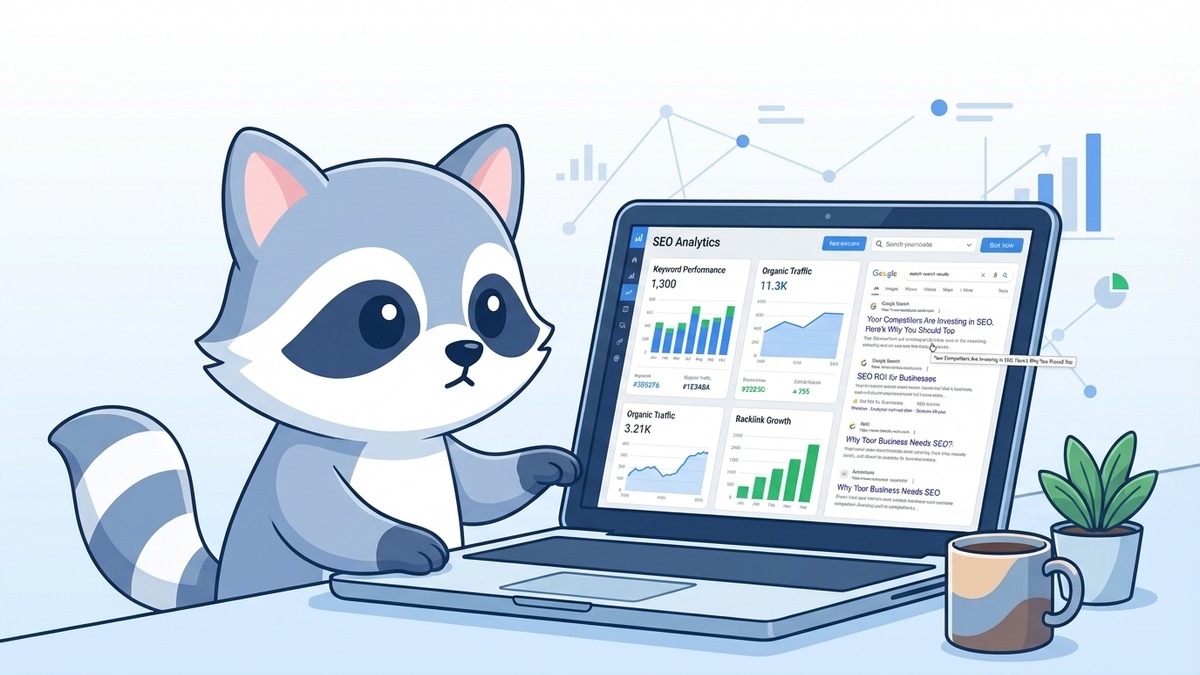
SEO works by helping search engines understand your website so they can surface it to the right people at the right time.
There are three main pillars:
- Technical SEO: Making sure your website loads fast, is mobile-friendly, and is easy for search engines to crawl and index.
- On-page SEO: Optimising your content, headings, meta tags, and keyword placement so search engines and users understand what each page is about.
- Off-page SEO: Building authority through backlinks from reputable sites, which signals to Google that your website can be trusted.
When all three work together, your pages climb the rankings, your visibility increases, and more of the right people land on your site.
For businesses targeting the Singapore market, local SEO adds another layer: optimising your Google Business Profile, earning local citations, and ranking for searches like "best accountant in Tanjong Pagar" or "plumber near me." That kind of hyper-targeted visibility is nearly impossible to replicate with paid ads at the same cost.
Why SEO Is Important for Your Website
Your website is your 24/7 salesperson. But it can only sell if people find it.
Without SEO, even a beautifully designed site sits in the dark. With SEO, it becomes a lead generation engine. Here is what optimised websites consistently see:
- Higher organic traffic from people who are already searching for your product or service
- Lower bounce rates because the right visitors land on the right pages
- Better user experience since Google's ranking factors reward sites that are fast, accessible, and easy to navigate
- Greater credibility because users inherently trust organic results more than ads
This is why SEO is not just a marketing tactic. It is the foundation your entire digital presence is built on.
How SEO Helps Small Businesses Grow in 2026
SEO is one of the few marketing channels that genuinely levels the playing field. A well-optimised small business website can outrank a large corporation in local or niche searches, purely on merit.
Here is how SEO upgrades your business as you grow:
Consistent, qualified traffic. Every optimised page acts as a permanent entry point to your business. Unlike PPC campaigns that stop when the budget stops, SEO keeps working.
Lower cost per acquisition over time. The initial investment in SEO may feel significant, but the cost per lead drops sharply as rankings improve and traffic compounds.
Brand authority. Ranking consistently for your industry keywords positions your business as an expert. Customers are more likely to choose you over a competitor they have never heard of.
Synergy with other channels. SEO content supports your social media marketing efforts, strengthens email campaigns, and gives your paid ads a better landing page to convert from.
For online retailers, e-commerce SEO specifically targets product and category pages to drive purchase-ready traffic. For service businesses, local and content SEO builds trust and captures demand at every stage of the buying journey.
Why SEO Is the Most Important Channel in 2026
The digital marketing landscape has shifted. Paid ad costs have risen sharply across Meta and Google. Organic reach on social platforms has declined. Meanwhile, consumer trust in ads continues to fall.
SEO fills the gap. It delivers intent-based traffic (people who are actively searching for what you sell), earns trust (organic results are not perceived as ads), and scales without your cost per click increasing.
There is also the rise of AI-powered search to consider. Tools like Google's AI Overviews and other generative search engines are changing how results are displayed, but they still rely on crawling, indexing, and evaluating website authority. The businesses that have invested in SEO already are the ones being cited in AI-generated answers. This is where GEO (Generative Engine Optimisation) comes in as the next evolution of search visibility, and it builds directly on strong SEO foundations.
The businesses that start now will have a significant head start. Those who wait will find the gap between themselves and their competitors much harder to close.
Can SEO Help Your Business?
Yes, in almost every case. Whether you are a solo consultant, a growing SME, or an established brand, SEO can drive measurable results. The key is having the right strategy for your specific market, competition level, and goals.
If your customers search online (and in Singapore, they do), then SEO services in Singapore are a direct path to reaching them. The question is not if SEO will work for your business. It is how quickly you want results and how much ground you are willing to let competitors gain while you delay.
According to Backlinko's Google CTR research, the first organic result on Google gets an average click-through rate of 27.6%, compared to near zero for anything beyond page one. Position one is not just better. It is an entirely different business outcome.
Start Before Your Competitors Pull Further Ahead
Every month you delay is another month your competitors are building rankings, earning backlinks, and capturing customers who could have been yours.
SEO is not an overnight fix. But it is the most durable investment you can make in your online presence. The businesses winning in search today started 12 to 24 months ago. The businesses winning in 2027 are starting now.
If you are ready to close the gap and build a search presence that drives real business results, contact SEOExpert today. Our team specialises in delivering SEO strategies built for the Singapore market, from technical audits to content and link building.
Let your competitors wonder how you climbed to the top. You will already know.